
B2B Event Marketing That Drives Pipeline

About
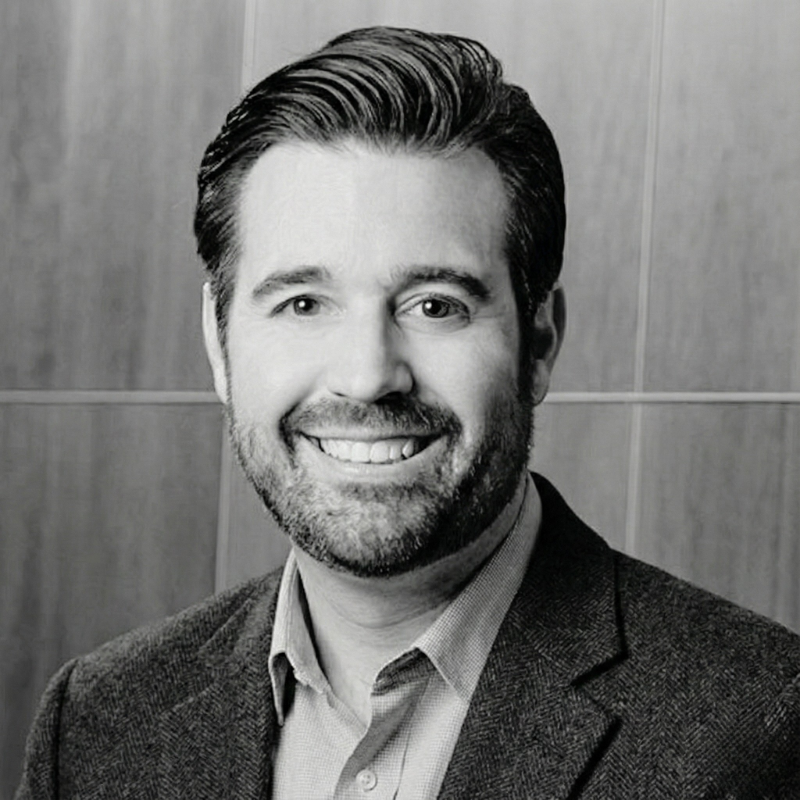
Zach Strauss is the founder of CapitalGTM, a Columbus B2B marketing agency built for pipeline, not posts. A three-time exited operator and four-time Inc. 5000 honoree, he brings Fortune 2000 enterprise sales experience to building revenue engines for B2B companies in the $5M to $50M range.
Experience Highlights
- 3x successful company exits
- 4x Inc. 5000 honoree
- Fortune 2000 enterprise sales background
- Built GTM systems for B2B SaaS, industrial services, healthtech
Areas of Expertise
Event marketing works for Columbus B2B companies when it is run as a pipeline play with a plan for before, during, and after, and it wastes money when it is just a booth, some badges, and hope.
Trade shows and conferences are where a lot of Central Ohio B2B budget goes to die. A company spends heavily on a booth, collects a stack of badge scans, drops them into the CRM, and never sees a deal trace back to the money spent. Then leadership questions whether events work at all.
Events work. What usually fails is the approach. Most teams treat the event as the whole campaign, when the event is really the middle of a play that lives or dies on the work before and after it. The booth is not the strategy, it is the meeting point.
This playbook covers how Columbus B2B companies should run event marketing as a pipeline engine: how to pick the right events, how to book meetings before you arrive, how to run the room, and how to follow up so the pipeline actually shows up in the numbers.
- Events are a play, not a booth: Pipeline comes from the pre-event and post-event work, the event itself is the meeting point
- Book meetings before you arrive: The best event pipeline is scheduled in advance, not scavenged from badge scans on the floor
- Pick events by buyer density: The right event is where your specific Columbus buyers already are, not the biggest logo on the calendar
- Follow-up is where deals are won or lost: Speed and relevance after the event decide whether attention becomes pipeline
- Measure pipeline, not scans: Judge events on meetings booked and pipeline created, badge counts are a vanity metric
Why events still work for B2B
In a world of ignored emails and skipped ads, a face-to-face conversation is still the highest-bandwidth way to move a B2B deal. Events compress months of back-and-forth into a fifteen-minute conversation where the buyer is present, engaged, and away from their inbox. For relationship-driven Columbus B2B markets, that is enormously valuable.
The mistake is thinking the value is automatic. Standing in a hall next to a banner does not create pipeline. The value comes from engineering the right conversations with the right buyers and then doing the unglamorous follow-up work that turns those conversations into meetings. The event creates the opportunity, the system around it creates the pipeline.
This is why event marketing is a discipline, not a logistics task. Anyone can rent a booth. The teams that get real return treat the event as one visible moment inside a campaign that started weeks earlier and continues for weeks after.
Pick events by buyer density
The first decision determines most of the outcome: which events to attend at all. The instinct is to chase the biggest, most prestigious show, but size is the wrong filter. The right filter is buyer density, how concentrated your specific buyers are in the room relative to the cost of being there.
A small regional Central Ohio event where a hundred of your exact buyers gather can out-produce a massive national conference where they are a rounding error. Evaluate every event by a simple question: how many conversations with right-fit buyers can we realistically get, and what will each one cost us? That math, not the logo on the banner, should decide the calendar.
| Dimension | Chasing the big show | Choosing by buyer density |
|---|---|---|
| Selection filter | Size and prestige | Concentration of right-fit buyers |
| Goal on site | Maximize badge scans | Maximize quality conversations |
| Cost view | Booth and travel as the spend | Cost per right-fit conversation |
| Outcome | Lots of leads, little pipeline | Fewer leads, more meetings |
Win the event before it starts
The single biggest difference between events that produce pipeline and events that produce badge scans is what happens in the weeks before. Teams that win book meetings in advance. They know which target accounts will be there and they reach out early to schedule real conversations on site, so their calendar is full before they set foot in the hall.
This is where events and account-based marketing fit together perfectly. You take your named target list, identify who is attending, and run a coordinated pre-event outreach so the event becomes a reason to finally get face time with accounts you already wanted. The event does not generate the target list, it gives you a high-value excuse to activate it.
A B2B team that filled its calendar before the doors opened
A Columbus B2B company used to work its booth cold, waiting for scans and hoping the right people wandered by. Return was inconsistent and hard to justify to leadership.
We flipped the motion. Before the next event, the team identified target accounts attending and booked meetings in advance through coordinated outreach. They walked in with a full schedule of conversations with right-fit buyers, and the event produced more qualified pipeline than the previous three combined.
Follow-up is where pipeline is made
More event pipeline is lost in the week after than on the floor itself. The conversations were good, everyone meant to follow up, and then normal work swallowed the momentum. Two weeks later the buyer barely remembers you, and the money spent on the booth quietly evaporates.
Winning teams treat follow-up as the main event, not the cleanup. They follow up fast, while the conversation is still warm, and they follow up with relevance, referencing the specific discussion rather than sending a generic nice to meet you. This is where connecting events to your sales enablement and CRM matters, so every conversation is captured and routed to the right rep with the context to advance it.
When events are not worth it
If your buyers do not gather at events, or your team has no capacity to run pre-event outreach and fast follow-up, then events probably are not your best channel, and forcing them will waste money.
But for most Columbus B2B companies with defined target accounts, the problem is never that events do not work. It is that they were run as a booth instead of a play. Fix the before and after, and the same events start producing real pipeline.
Measure pipeline, not badges
The reason leadership doubts events is almost always a measurement failure. Teams report badge scans and attendee counts, which tell you nothing about revenue. The metrics that matter are meetings booked, qualified pipeline created, and eventually deals closed that trace back to the event.
Track each event as its own investment with its own return, and the calendar starts to optimize itself. You double down on the events that produce pipeline and quietly drop the ones that only produced a busy booth. That discipline, run over a year, is what turns event marketing from a cost leadership questions into a channel it funds on purpose.
What this means for your calendar
Events are not a gamble and they are not dead. For a Columbus B2B company they are one of the highest-bandwidth ways to move a deal, but only when the event is run as the middle of a play with real work before and after it.
If your events produce badge scans instead of pipeline, the answer is not to cancel them. It is to pick them by buyer density, book meetings before you arrive, and treat follow-up as the main event rather than the cleanup.
Our Columbus event marketing work builds events into a pipeline engine with a plan for before, during, and after. The fastest way to see where your event spend is leaking is to book a free GTM diagnostic.
Frequently asked questions
Direct answers to what B2B leaders typically ask after reading this.
Stop buying deliverables.
Start building a pipeline.
Book a free 60-minute GTM diagnostic. We'll tell you what we'd do, whether you hire us or not.
Book a Free Diagnostic →